Is Your Gum Health Secretly Threatening Your Heart?
Many of us view oral health and heart health as separate entities, managed by different specialists. Yet, a growing body of scientific evidence reveals a profound and undeniable systemic connection between the two. The health of your gums, particularly the presence of a condition known as periodontal disease, can have far-reaching implications for your cardiovascular system.
Imagine your mouth as a window to your overall health. When issues like inflammation and infection take root in your gums, they don't necessarily stay confined there. Instead, they can initiate a cascade of events that impact vital organs, none more critical than your heart. Understanding this systemic link is the first step towards a healthier future, empowering you to protect both your smile and your cardiovascular well-being.

Understanding Periodontal Disease: More Than Just a Gum Problem
Periodontal disease, commonly known as gum disease, is a progressive inflammatory condition that affects the tissues supporting your teeth. It's not merely a localized annoyance; it's a chronic infection with systemic implications.
At its earliest stage, gum disease is called gingivitis. This is characterized by inflamed, red, swollen gums that may bleed easily during brushing or flossing. Gingivitis is often reversible with good oral hygiene and professional cleanings. However, if left untreated, gingivitis can advance to periodontitis, a more severe form of the disease. In periodontitis, the inner layer of the gum and bone pulls away from the teeth, forming pockets that collect debris and become infected. As the body's immune system fights the bacteria, the infection and inflammation spread, leading to the breakdown of the bone and connective tissue that hold teeth in place. Eventually, teeth can loosen and may need to be extracted.
The primary cause of periodontal disease is the accumulation of plaque—a sticky film of bacteria—on the teeth. If plaque is not removed through daily brushing and flossing, it hardens into tartar (calculus), which can only be removed by a dentist or dental hygienist. The bacteria in plaque and tartar produce toxins that irritate the gums, leading to inflammation and infection. Factors such as smoking, hormonal changes, certain medications, genetic predisposition, and underlying systemic diseases like diabetes can also increase the risk and severity of periodontal disease.
It's crucial to recognize the signs early. Persistent bad breath, swollen or tender gums, bleeding while brushing, receding gums, and loose teeth are all indicators that you might be experiencing gum disease. Ignoring these symptoms means ignoring a potential threat not just to your oral health, but to your entire body.
💡 Key Takeaway
Periodontal disease is a chronic bacterial infection and inflammatory condition of the gums that, if left untreated, progresses from gingivitis to periodontitis, leading to bone loss and potential tooth loss. It's a widespread issue affecting millions, often without immediate pain, making early detection and intervention critical.
The Systemic Connection: How Oral Health Impacts Your Heart
The link between periodontal disease and heart disease is no longer a theory; it's a well-established scientific fact. This systemic connection operates through several complex mechanisms, primarily driven by inflammation and bacterial migration.
One of the most significant pathways is chronic inflammation. Periodontal disease is characterized by a persistent inflammatory response in the gums. This local inflammation doesn't always stay local. The inflammatory mediators (cytokines) produced in the gums can enter the bloodstream and travel throughout the body, contributing to systemic inflammation. Systemic inflammation is a known risk factor for various chronic diseases, including cardiovascular disease. It can trigger or exacerbate the processes that lead to atherosclerosis, the hardening and narrowing of arteries due to plaque buildup. This plaque buildup can restrict blood flow, leading to heart attacks and strokes.
Beyond inflammation, the bacteria themselves play a direct role. The oral cavity harbors hundreds of species of bacteria, and in periodontal disease, certain pathogenic bacteria thrive. These bacteria can enter the bloodstream through inflamed or bleeding gums, especially during activities like chewing or brushing. Once in the bloodstream, these oral bacteria can travel to other parts of the body, including the heart. Studies have identified specific oral bacteria, such as Porphyromonas gingivalis, within atherosclerotic plaques in the arteries of individuals with heart disease. These bacteria can directly contribute to the formation and instability of these plaques, increasing the risk of rupture and subsequent cardiovascular events.
Moreover, the body's immune response to these invading bacteria can also contribute to cardiovascular problems. The immune system, in its attempt to fight off the infection, can inadvertently damage blood vessel walls, further promoting plaque formation and increasing the risk of blood clots. People with periodontal disease have also been found to have higher levels of C-reactive protein (CRP), a marker of inflammation in the body, which is independently associated with an increased risk of heart disease.
The relationship is bidirectional to some extent. Individuals with certain heart conditions, such as infective endocarditis (an infection of the heart's inner lining), are at higher risk if they have poor oral health. Dental procedures in individuals with severe gum disease can sometimes release bacteria into the bloodstream, posing a risk for those with pre-existing heart valve issues.
In essence, neglecting your gum health means you're potentially allowing a constant source of inflammation and harmful bacteria to circulate throughout your body, putting your heart at a significantly elevated risk. It's a silent threat that demands attention and proactive measures.
Addressing Periodontal Disease: A Path to Better Heart Health
Recognizing the intricate link between your gums and your heart empowers you to take action. Effective management of periodontal disease is not just about saving your teeth; it's a critical component of a comprehensive strategy for cardiovascular wellness.
Reduces Systemic Inflammation
By eliminating the source of chronic infection and inflammation in your gums, you significantly reduce the inflammatory burden on your entire body. This can lead to lower levels of inflammatory markers like CRP, which are directly associated with heart disease risk.
Minimizes Bacterial Spread
Treating periodontal disease reduces the number of harmful oral bacteria that can enter your bloodstream. This lessens the direct bacterial load on your cardiovascular system, potentially preventing bacteria from colonizing arterial plaques and worsening atherosclerosis.
Improves Endothelial Function
The endothelium, the inner lining of your blood vessels, plays a crucial role in heart health. Studies suggest that successful periodontal treatment can improve endothelial function, leading to better blood vessel dilation and overall cardiovascular health.
Supports Blood Pressure Regulation
While not a direct cause, chronic inflammation associated with gum disease can contribute to elevated blood pressure. By reducing this inflammation, you support better cardiovascular function and potentially aid in managing hypertension.
Enhances Overall Quality of Life
Beyond the direct physiological benefits, a healthier mouth means less pain, better chewing function, and improved confidence. These factors contribute to a better overall quality of life, encouraging healthier lifestyle choices that positively impact heart health.
Complements Other Heart Health Strategies
Treating gum disease works synergistically with other heart-healthy habits like diet, exercise, and medication. It's an integral part of a holistic approach to managing cardiovascular risk, ensuring all potential contributing factors are addressed.
Strategies for Maintaining Optimal Oral Health
Preventing and managing periodontal disease requires a multi-faceted approach that combines diligent home care with professional dental attention. It's a lifelong commitment that pays dividends for your entire body.
Firstly, prioritize consistent and effective oral hygiene. This means brushing your teeth at least twice a day for two minutes each time, using a fluoride toothpaste. Pay close attention to the gumline, where plaque tends to accumulate. Flossing daily is equally critical, as it removes plaque and food particles from between your teeth and under the gumline, areas your toothbrush cannot reach. Consider using an antiseptic mouthwash to reduce bacteria and control plaque, but remember it's an adjunct, not a replacement for brushing and flossing. For more tips on natural approaches, you might find our article on how to improve dental health naturally helpful.
Secondly, regular dental check-ups and professional cleanings are non-negotiable. Even with the best home care, plaque can harden into tartar, which requires specialized tools to remove. Your dentist or hygienist can identify early signs of gum disease, provide deep cleanings (scaling and root planing) if necessary, and offer personalized advice for your specific needs. They can also monitor your overall oral health and detect other issues before they become serious.
Thirdly, lifestyle choices play a significant role. Smoking is one of the biggest risk factors for periodontal disease, impairing the immune system and hindering gum healing. Quitting smoking can dramatically improve your gum health and reduce your risk of progression. A balanced diet rich in vitamins and minerals, especially Vitamin C and calcium, supports healthy gums and bones. Limiting sugary foods and drinks also helps, as sugar feeds the bacteria that cause plaque. Managing stress and controlling systemic conditions like diabetes are also vital, as these can exacerbate gum disease.
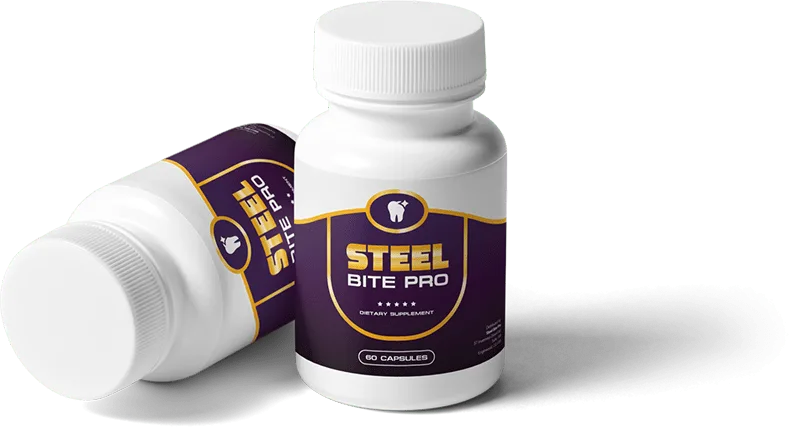
Finally, for those looking for additional support, certain oral health supplements can complement these efforts. These supplements often contain natural ingredients known for their antimicrobial, anti-inflammatory, and tissue-supporting properties. When considering supplements, it's wise to consult a guide like our dental supplement buying guide 2026 to make an informed choice. Products like Steel Bite Pro are formulated with a blend of ingredients specifically chosen to target oral bacteria, support gum health, and strengthen teeth, offering a comprehensive approach to enhancing your daily oral care routine.
Introducing Steel Bite Pro: A Natural Approach to Oral Wellness
In the pursuit of optimal oral health and, by extension, better heart health, many are seeking natural, comprehensive solutions. Steel Bite Pro emerges as a noteworthy option, formulated to target the root causes of poor oral health, including the bacterial imbalances that contribute to periodontal disease.
Targets Harmful Bacteria
Steel Bite Pro is designed to help identify and eliminate the harmful bacteria that colonize your mouth, form plaque, and lead to gum inflammation and infection. By creating an unfavorable environment for these pathogens, it supports a healthier oral microbiome.
Supports Gum Health
The carefully selected natural ingredients work synergistically to reduce inflammation in the gums, soothe irritated tissues, and promote healing. This helps to stop bleeding gums and prevent further recession, strengthening the gum-tooth attachment.
Strengthens Teeth & Enamel
Beyond gum health, the formula includes components that contribute to stronger teeth and enamel. This helps to make your teeth more resistant to decay and erosion, further protecting your overall oral structure. If you're interested in more options for strengthening teeth, consider checking out our article on the best supplement for teeth and enamel.
Detoxifies & Purifies
Some ingredients in Steel Bite Pro are known for their detoxifying properties, helping to cleanse the oral cavity and remove toxins produced by bacteria. This purification process contributes to fresher breath and a cleaner mouthfeel.
Supports Immune Response
A healthy oral environment is intrinsically linked to a robust immune system. By reducing bacterial overload and inflammation, Steel Bite Pro indirectly supports your body's natural defenses, benefiting not just your mouth but your systemic health.
Promotes Fresh Breath
One of the most immediate and noticeable benefits reported by users is a significant improvement in breath. By tackling the bacteria that cause bad breath at their source, Steel Bite Pro helps you maintain long-lasting freshness.
Key Natural Ingredients in Steel Bite Pro
Steel Bite Pro's formula is a blend of 29 carefully chosen natural ingredients, each playing a specific role in supporting oral health. These ingredients are categorized by their primary functions: breaking plaque, tightening gums, healing wounds, and strengthening teeth.
Berberine
Role: Known for its powerful antimicrobial and anti-inflammatory properties. It helps target various oral pathogens and reduce gum inflammation.
Typically 500-1500mg daily (as part of blend)Milk Thistle
Role: Supports liver detoxification, which can indirectly aid in cleansing the body and reducing systemic toxins that might impact oral health.
Standardized extract often 200-400mgArtichoke
Role: Rich in antioxidants and compounds that support digestive health, potentially influencing the body's overall inflammatory response.
Extract dosage variesChanca Piedra
Role: Traditionally used for its diuretic and anti-inflammatory effects, it may help in detoxifying and reducing inflammation throughout the body.
Commonly 500-1500mgDandelion Extract
Role: A natural diuretic and source of vitamins and minerals, supporting general health and detoxification pathways.
Extract often 250-500mgYarrow
Role: Contains compounds with anti-inflammatory and antiseptic properties, beneficial for soothing irritated gums and promoting healing.
Used in various formsBeetroot
Role: Rich in nitrates, which the body converts to nitric oxide, supporting healthy blood flow and aiding in nutrient delivery to gum tissues.
Typically 500-1000mg powderJujube Seeds
Role: Known for their antioxidant content and ability to support a healthy immune system, which is crucial for fighting oral infections.
Often 100-500mg extractZinc
Role: An essential mineral for immune function and wound healing. It plays a vital role in maintaining the integrity of oral tissues and fighting bacterial growth.
15-30mg elemental zincAlfalfa
Role: A nutrient-dense plant, providing vitamins and minerals that support overall health and the body's natural healing processes.
Often 500-1000mg powderGrape Seed Extract
Role: A potent antioxidant that helps protect cells from damage and supports the strength of connective tissues, including those in the gums.
Typically 100-300mgTurmeric
Role: Contains curcumin, a powerful anti-inflammatory compound that can reduce gum swelling and pain, and support overall oral health.
Standardized extract 500-1000mgFeverfew
Role: Traditionally used for its anti-inflammatory and pain-relieving properties, which can help soothe discomfort associated with gum issues.
Typically 50-100mg extractGinger
Role: Known for its anti-inflammatory and antimicrobial effects, ginger can help reduce gum inflammation and fight oral bacteria.
Extract often 250-500mgL-Cysteine & Methionine
Role: Amino acids that play a role in detoxification and the synthesis of glutathione, a powerful antioxidant, supporting cellular health and repair.
Various dosages
Take Control of Your Oral & Heart Health Today
Don't let the silent threat of periodontal disease jeopardize your heart health. Steel Bite Pro offers a scientifically-backed blend of natural ingredients designed to support your oral environment, combat harmful bacteria, and reinforce your body's natural defenses. It's a proactive step towards a healthier mouth and a stronger heart.
- ✓ Supports a healthy oral microbiome
- ✓ Helps reduce gum inflammation and bleeding
- ✓ Strengthens teeth and enamel
- ✓ Promotes fresh breath
- ✓ Manufactured in an FDA-approved, GMP-certified facility




What Our Customers Are Saying
"I was constantly worried about my bleeding gums and bad breath, not to mention the potential impact on my heart. After a few weeks of Steel Bite Pro, my gums feel so much healthier, and the bleeding has almost stopped. My dentist even noticed the improvement!"
"As someone with a family history of heart issues, I'm always looking for ways to improve my overall health. Steel Bite Pro has become a crucial part of my daily routine. My mouth feels cleaner, my breath is fresher, and I feel more confident that I'm supporting my body holistically."
"I was skeptical at first, but the results speak for themselves. My gums used to be so sensitive and prone to inflammation. Now, they're much firmer and healthier. It's reassuring to know I'm using a natural product that supports both my dental and cardiovascular well-being."
Frequently Asked Questions
What is periodontal disease and how common is it?
+Periodontal disease, also known as gum disease, is a chronic inflammatory condition affecting the gums and bone supporting your teeth. It begins with gingivitis (gum inflammation) and can progress to periodontitis, leading to tooth loss. It is remarkably common, affecting nearly half of all adults over 30 in the United States, with severe forms impacting approximately 10-15% of the global population.
How exactly does gum disease affect heart health?
+The primary mechanism involves chronic inflammation. Bacteria from infected gums can enter the bloodstream, triggering systemic inflammation throughout the body. This inflammation can contribute to the hardening of arteries (atherosclerosis), increase the risk of blood clots, and worsen existing heart conditions. Certain oral bacteria have even been found directly within atherosclerotic plaques in the heart.
Can improving my oral hygiene reverse heart damage?
+While improving oral hygiene cannot directly reverse existing heart damage, it can significantly reduce the risk of further progression and complications. Effective treatment of periodontal disease can lower systemic inflammation, improve endothelial function (the lining of blood vessels), and potentially reduce markers associated with cardiovascular risk. It's a crucial step in a holistic approach to heart health, alongside other lifestyle modifications and medical treatments.
What are the key signs of periodontal disease I should look for?
+Common signs include red, swollen, or tender gums; gums that bleed easily during brushing or flossing; persistent bad breath; receding gums that make teeth look longer; loose teeth; and changes in how your teeth fit together when you bite. Pain is not always present, especially in early stages, making regular dental check-ups essential for early detection.
Is Steel Bite Pro a standalone treatment for gum disease?
+Steel Bite Pro is a dietary supplement designed to support oral health, targeting bacteria and promoting a healthy oral microbiome. While it can be a powerful addition to your daily routine, it is not a standalone treatment for advanced periodontal disease. It should be used in conjunction with good oral hygiene practices (brushing, flossing) and regular professional dental care, including cleanings and check-ups. Always consult your dentist for diagnosis and treatment plans.
How long does it take to see results with Steel Bite Pro?
+Individual results with Steel Bite Pro can vary depending on the severity of your oral health issues and your body's response. Many users report noticeable improvements in gum health, reduced bleeding, and fresher breath within a few weeks. For optimal and long-lasting benefits, it is generally recommended to use the supplement consistently for at least 3 to 6 months to allow the natural ingredients to work synergistically and support a healthier oral environment.
Related Articles