Can a Simple Ancient Practice Really Transform Your Gum Health?
For centuries, cultures around the world have embraced natural remedies to maintain health and vitality. Among these, an age-old Ayurvedic practice known as oil pulling has resurfaced in modern wellness discussions, touted for its potential to revolutionize oral hygiene. This simple yet profound technique involves swishing oil in the mouth to draw out toxins and improve dental health.
The concept might seem unconventional to some, but a growing body of anecdotal evidence, supported by emerging scientific studies, suggests that oil pulling could be a powerful adjunct to your daily dental routine. It promises not just cleaner teeth, but a significant boost to your overall natural dental wellness, particularly when it comes to combating the insidious threat of periodontal disease.

Understanding Periodontal Disease: A Silent Threat
Before delving into oil pulling, it's crucial to understand the enemy: periodontal disease. This common inflammatory condition affects the gums and the bone supporting your teeth, and if left unchecked, can lead to tooth loss and even impact systemic health.
Periodontal disease, often referred to as gum disease, begins with gingivitis, a mild form characterized by inflammation of the gums. Symptoms include red, swollen, and bleeding gums, especially during brushing or flossing. If gingivitis is not treated, it can advance to periodontitis, a more severe form where the inner layer of the gum and bone pull away from the teeth and form pockets. These pockets become infected, and as the body's immune system fights the bacteria, toxins and enzymes are released, breaking down the bone and connective tissue that hold teeth in place. Eventually, teeth can loosen and may need to be removed.
The primary cause of periodontal disease is plaque, a sticky film of bacteria that constantly forms on your teeth. Poor oral hygiene allows plaque to build up and harden into tartar (calculus), which can only be removed by professional cleaning. Factors like smoking, hormonal changes, certain medications, genetics, and other systemic diseases (like diabetes) can also increase your risk. Recognizing the early signs and adopting effective preventive measures are paramount in maintaining long-term oral health.
The Ancient Roots of Oil Pulling: A Glimpse into Ayurveda
Oil pulling isn't a new fad; it's a practice deeply embedded in Ayurvedic medicine, a traditional Indian system of healing dating back thousands of years. Known as 'Kavala Graha' or 'Gandusha,' this technique was prescribed for a range of ailments, with a particular focus on oral and systemic health.
In ancient Ayurvedic texts, oil pulling was recommended for purifying the body, strengthening teeth and gums, and improving overall oral hygiene. The wisdom held that the mouth is a gateway to the rest of the body, and maintaining its health was crucial for preventing systemic diseases. The practice involved swishing specific oils, often sesame oil, for varying durations, believed to draw out toxins (ama) and balance the body's energies (doshas). This holistic approach viewed oral health not in isolation, but as an integral part of one's entire well-being. The emphasis was on prevention and natural healing, a philosophy that resonates strongly with today's growing interest in natural health solutions. The consistency of the oil was thought to attract and bind to fat-soluble toxins and bacteria, effectively removing them from the oral cavity. This historical context underscores the deep-rooted belief in the efficacy of this simple ritual for promoting robust dental health.
💡 Key Takeaway
Oil pulling, an ancient Ayurvedic practice, offers a natural, complementary approach to combat periodontal disease by reducing oral bacteria, plaque, and inflammation. It's a powerful adjunct to regular dental care, not a replacement.
The Science Behind the Swish: How Oil Pulling Works
While its origins are ancient, modern science is now beginning to unravel the mechanisms that make oil pulling potentially effective for gum health. It's more than just a folk remedy; there's a biological basis for its benefits.
The primary theory behind oil pulling's efficacy lies in its ability to act as a natural cleanser. As you swish oil around your mouth, it creates a process similar to saponification, where the oil mixes with saliva, creating an emulsion. This emulsion works like a soap, binding to bacteria, food debris, and toxins that are both water and fat-soluble. The oil has a natural affinity for bacterial cell membranes, which are lipid-based, allowing it to effectively "pull" these microorganisms from the oral cavity.
Furthermore, many oils used in oil pulling, particularly coconut oil, contain compounds with inherent antimicrobial properties. Lauric acid in coconut oil, for instance, is known to react with alkali in saliva to form a soap-like substance that cleanses and has been shown to kill certain bacteria, fungi, and viruses. This action helps to disrupt bacterial biofilms and reduce the overall bacterial load in the mouth, which is a key factor in the development of plaque and gingivitis. By reducing the number of harmful bacteria, oil pulling can contribute to a healthier oral microbiome and significantly lessen the inflammatory response in the gums.
Some studies have demonstrated that oil pulling can reduce the presence of Streptococcus mutans, a major contributor to tooth decay, and also decrease plaque index and gingival index scores. This suggests a direct impact on the factors that lead to periodontal disease. The physical act of swishing also stimulates salivary glands, which can help maintain proper oral pH and wash away loose debris. This combination of mechanical action, emulsification, and antimicrobial properties provides a compelling scientific rationale for oil pulling's role in supporting gum health.
Key Benefits of Oil Pulling for Periodontal Health
Regular oil pulling can offer a multitude of benefits that directly contribute to stronger, healthier gums and a more resilient oral environment.
Reduces Harmful Oral Bacteria
Oil pulling has been shown to significantly decrease the population of pathogenic bacteria in the mouth, including those responsible for plaque formation and gum disease. By disrupting these microbial communities, it helps prevent the initial stages of gingivitis and slows the progression of periodontitis.
Fights Plaque Buildup
The emulsifying action of oil pulling helps dislodge and bind to plaque, the sticky biofilm that constantly forms on teeth. Consistent practice can lead to a noticeable reduction in plaque accumulation, which is a primary precursor to tartar and gum inflammation.
Alleviates Gum Inflammation (Gingivitis)
By reducing bacterial load and removing irritants, oil pulling can calm inflamed gum tissues. This leads to a reduction in redness, swelling, and bleeding, offering relief from the discomfort associated with gingivitis and supporting the healing process of your gums.
Freshens Breath Naturally
Bad breath (halitosis) is often caused by volatile sulfur compounds produced by bacteria in the mouth. Oil pulling effectively removes these odor-producing bacteria and their byproducts, resulting in a naturally fresher breath that lasts longer than temporary solutions.
Strengthens Gums and Oral Tissues
Beyond bacterial reduction, the regular massage-like action of oil pulling is believed to improve circulation in the gums, contributing to stronger, healthier gum tissue. This can make gums more resilient to irritation and less prone to recession over time.
Supports Overall Oral Microbiome Balance
While targeting harmful bacteria, oil pulling also promotes a healthier balance of the oral microbiome. By reducing the dominance of detrimental species, it helps create an environment where beneficial bacteria can thrive, contributing to comprehensive oral health.
Choosing Your Oil: Traditional and Popular Options
The effectiveness of oil pulling can be influenced by the type of oil you choose. Each oil brings its own unique set of properties to the practice.
Traditionally, sesame oil was the oil of choice in Ayurvedic medicine. It's rich in antioxidants, including sesamol, sesamin, and sesamolin, which are known for their anti-inflammatory properties. These compounds can help soothe inflamed gums and support tissue health. Sesame oil also has a relatively mild taste, making it palatable for prolonged swishing.
In recent years, virgin coconut oil has surged in popularity for oil pulling, primarily due to its high concentration of lauric acid. Lauric acid is a medium-chain fatty acid known for its potent antimicrobial, antiviral, and antifungal properties. Studies suggest that coconut oil can effectively combat Streptococcus mutans and other harmful bacteria, making it a powerful ally against plaque and gingivitis. Its pleasant taste is another reason for its widespread adoption.
Sunflower oil is another option, often chosen for its high linoleic acid content, which is an omega-6 fatty acid. While less studied than coconut oil for oral health, some proponents believe it also contributes to the binding and removal of toxins. Regardless of the oil chosen, ensure it is organic, cold-pressed, and unrefined to maximize its therapeutic benefits and avoid unwanted chemicals.
Experimenting with different oils can help you find the one that best suits your taste and provides the most noticeable benefits for your gum health. The key is consistency, regardless of the oil type.
How to Incorporate Oil Pulling into Your Daily Routine
Making oil pulling a regular part of your day is straightforward, but consistency is key to reaping its full benefits. Follow these steps for an effective practice.
Choose Your Oil
Select a high-quality, organic, cold-pressed oil. Virgin coconut oil is popular for its taste and antimicrobial properties, but sesame or sunflower oil are also excellent choices. About one tablespoon is typically sufficient.
Timing is Key
The best time to oil pull is first thing in the morning, on an empty stomach, before brushing your teeth or drinking any liquids. This ensures the oil can effectively bind to bacteria that have accumulated overnight.
Swish, Don't Gargle
Place the oil in your mouth and gently swish it around your teeth, gums, and tongue. Do not swallow the oil, as it will be full of bacteria and toxins. The motion should be gentle, not aggressive, to avoid jaw fatigue.
Duration Matters
Aim for 15-20 minutes. If you're new to oil pulling, start with 5 minutes and gradually increase the duration as you get comfortable. The oil will become thinner and milky as it mixes with saliva.
Dispose Properly
After swishing, spit the oil into a trash can, not down the sink or toilet, as it can clog pipes. Rinse your mouth thoroughly with warm water, and then proceed with your usual brushing and flossing routine.
Be Consistent
For best results, aim to oil pull daily. Like any health practice, consistency is crucial. Over time, you may notice improvements in gum health, reduced plaque, and fresher breath. Remember, it's a complementary practice.
Beyond Oil Pulling: A Holistic Approach to Gum Health
While oil pulling can be a valuable addition, true gum health requires a comprehensive, holistic strategy that addresses various aspects of your lifestyle and oral care.
A strong foundation for gum health always starts with meticulous oral hygiene. This includes brushing twice daily with a soft-bristled brush and fluoride toothpaste, flossing daily to remove plaque and food particles from between teeth, and using an antimicrobial mouthwash. Regular dental check-ups and professional cleanings are non-negotiable, as they allow for the removal of stubborn tartar and early detection of any issues. You can learn more about effective daily practices in our article on how to improve dental health naturally.
Diet plays a significant role. A diet rich in whole foods, fruits, vegetables, and lean proteins, while limiting sugary and processed foods, supports overall health, including oral health. Nutrients like Vitamin C and antioxidants are crucial for gum tissue repair and fighting inflammation. Hydration is also important, as adequate saliva production helps wash away food particles and neutralize acids.
Managing stress, avoiding smoking, and getting enough sleep also contribute to a robust immune system, which is vital for fighting off gum infections. For those seeking additional support, certain natural supplements can provide targeted nutrients to strengthen gums and combat inflammation. For instance, ingredients like CoQ10, often discussed in relation to gum health, can be explored further in our detailed article on CoQ10 gum disease supplement benefits. Ultimately, a multi-faceted approach ensures you're giving your gums the best possible chance to thrive.
Synergistic Support: Key Ingredients for Comprehensive Gum Health
While oil pulling addresses oral hygiene externally, supporting your gums from within with targeted nutrients can create a powerful defense against periodontal disease. Certain natural compounds are known for their ability to combat bacteria, reduce inflammation, and promote tissue healing, offering a complementary strategy for optimal dental wellness.
Berberine
Role: A potent alkaloid with strong antimicrobial and anti-inflammatory properties. It helps combat harmful bacteria associated with plaque and gingivitis and reduces gum inflammation, supporting overall oral health.
Turmeric
Role: Known for its active compound curcumin, turmeric is a powerful anti-inflammatory and antioxidant. It aids in reducing gum swelling and pain, and helps protect gum tissues from oxidative damage caused by bacterial infections.
Milk Thistle
Role: Primarily known for liver support, milk thistle also possesses antioxidant properties that can help detoxify the body and indirectly support the immune system, which is crucial for fighting oral infections.
Artichoke
Role: Rich in antioxidants and fiber, artichoke supports digestive health and detoxification. A healthy gut microbiome can positively influence the oral microbiome, contributing to a balanced environment in the mouth.
Red Raspberry
Role: Packed with vitamins, minerals, and antioxidants, red raspberry helps strengthen gum tissues and provides essential nutrients for cellular repair. Its anti-inflammatory effects can soothe irritated gums.
Yarrow
Role: Historically used for its astringent and antiseptic properties, yarrow can help tighten gum tissue, reduce bleeding, and fight off oral bacteria, making it beneficial for overall gum resilience.
Dandelion
Role: A natural diuretic and source of vitamins and minerals, dandelion supports detoxification and provides nutrients that contribute to a healthy immune response, indirectly aiding in oral defense.
Zinc
Role: An essential mineral vital for immune function and wound healing. Zinc plays a critical role in maintaining healthy gum tissue, fighting bacterial growth, and reducing the risk of periodontal disease.
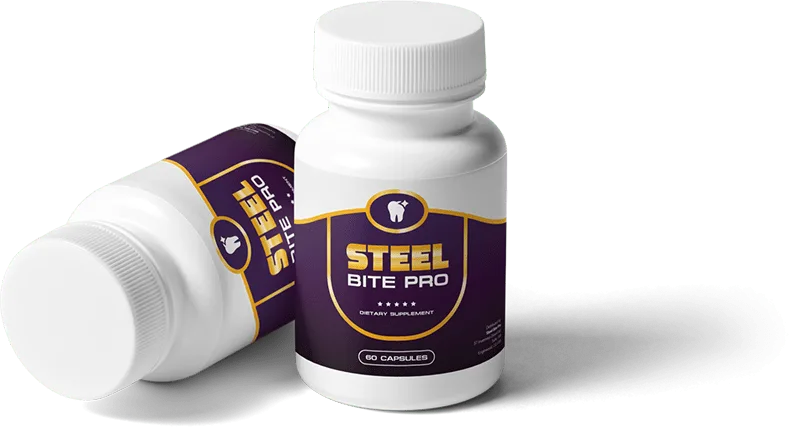
These ingredients, among others, are often found in advanced dental health supplements like Steel Bite Pro. By combining the external cleansing of oil pulling with internal nutritional support, you create a formidable defense against gum disease and promote lasting oral wellness. For more insights into natural remedies that work, check out our article on dental health remedies that work.
Ready for Stronger Gums and a Healthier Smile?
While ancient practices like oil pulling offer valuable benefits, modern science allows us to provide even more comprehensive support for your oral health. Steel Bite Pro is an advanced, all-natural dietary supplement designed to target the root causes of gum disease and tooth decay from within, complementing your daily hygiene and other natural remedies.
- ✓ Targets harmful bacteria in the mouth and gut
- ✓ Supports gum tissue regeneration and reduces inflammation
- ✓ Strengthens teeth and protects enamel
- ✓ Freshens breath and boosts overall oral hygiene
- ✓ Made with 23 carefully selected natural ingredients



What Our Customers Say About Their Oral Health Journey
"I've struggled with bleeding gums for years, despite brushing and flossing diligently. After adding oil pulling and Steel Bite Pro to my routine, the difference is incredible. My gums feel stronger, and the bleeding has almost completely stopped. It's truly life-changing!"
"I was skeptical about oil pulling at first, but combined with Steel Bite Pro, my mouth feels cleaner than ever. My dentist even commented on the improvement in my gum health during my last check-up. The bad breath I used to have is gone, too!"
"My sensitive gums were a constant bother. I started oil pulling with coconut oil and then added Steel Bite Pro to my daily regimen. The sensitivity has significantly decreased, and my gums look much healthier. I feel so much more confident in my smile now."
Frequently Asked Questions
What exactly is oil pulling and how does it help gum health?
+Oil pulling is an ancient Ayurvedic practice that involves swishing a tablespoon of oil (typically coconut, sesame, or sunflower) in your mouth for 15-20 minutes. It's believed to 'pull out' toxins and bacteria. For gum health, studies suggest it can reduce plaque, gingivitis, and harmful oral bacteria by creating a saponification effect and physically dislodging microbes, leading to healthier gums and fresher breath.
What kind of oil should I use for oil pulling?
+While several oils can be used, virgin coconut oil is often recommended due to its pleasant taste and lauric acid content, which has antimicrobial properties. Sesame oil and sunflower oil are also traditional choices. Always choose organic, cold-pressed oils to avoid unwanted additives and ensure maximum purity. Experiment to see which oil works best for you.
Is oil pulling a substitute for regular brushing and flossing?
+Absolutely not. Oil pulling should be considered a complementary practice, not a replacement for your essential daily oral hygiene routine. Regular brushing with fluoride toothpaste, flossing, and professional dental check-ups remain the foundational pillars of maintaining optimal oral health and preventing periodontal disease. Oil pulling can enhance these practices but cannot stand alone.
How long does it take to see results from oil pulling?
+Results can vary greatly among individuals. Some people report noticing improvements in gum health, reduced sensitivity, or fresher breath within a few days to a couple of weeks of consistent daily practice. For more significant changes, such as a reduction in gingivitis symptoms, it might take a month or longer. Consistency is key to experiencing the potential benefits.
How does Steel Bite Pro complement oil pulling or other dental routines?
+While oil pulling works topically to cleanse the mouth, Steel Bite Pro is a dietary supplement designed to support oral health systemically. It provides a blend of natural ingredients that target bacteria throughout the body, support gum tissue regeneration, reduce inflammation, and strengthen teeth from within. It acts as an internal defense mechanism, working alongside external practices like oil pulling, brushing, and flossing for a more comprehensive approach to dental wellness.
Are there any side effects to oil pulling or using Steel Bite Pro?
+Oil pulling is generally safe, though some people might experience jaw soreness initially if they swish too vigorously. It's crucial not to swallow the oil, as it contains bacteria and toxins. For Steel Bite Pro, it's formulated with natural ingredients and generally well-tolerated. However, as with any supplement, individual reactions can vary. It's always recommended to consult with a healthcare professional before starting any new supplement, especially if you have pre-existing conditions or are taking other medications.
Related Articles