Are You Ignoring the Silent Threat to Your Smile and Health?
Periodontal disease, commonly known as gum disease, is a pervasive and often silent condition that affects millions worldwide. Far more than just a cosmetic concern, it’s a serious inflammatory condition that can lead to tooth loss and has been linked to numerous systemic health issues, including heart disease, diabetes, and even certain cancers.
Understanding its origins, recognizing its subtle and overt symptoms, and adopting proactive prevention strategies are crucial steps toward safeguarding your oral health and overall well-being. This comprehensive guide, informed by the latest dental research, delves deep into the mechanisms of periodontal disease and outlines effective natural approaches to keep your gums healthy and strong.

What Exactly is Periodontal Disease? A Deeper Look
Periodontal disease is a chronic inflammatory condition affecting the tissues surrounding and supporting your teeth. It begins with bacterial growth in your mouth and, if not properly treated, can end in tooth loss due to destruction of the tissue and bone that hold your teeth in place.
At its core, periodontal disease is an infection. Our mouths are home to a complex ecosystem of bacteria. While many are harmless, certain types can form a sticky film called plaque on your teeth. If plaque isn't removed daily through brushing and flossing, it hardens into tartar (calculus), which acts as a rough surface for more plaque to accumulate. This tartar cannot be removed by regular brushing and flossing and requires professional dental cleaning.
The bacteria in plaque and tartar produce toxins that irritate the gum tissue, leading to inflammation. This initial stage is known as gingivitis. During gingivitis, your gums may become red, swollen, and bleed easily, especially when you brush or floss. Importantly, at this stage, the bone and connective tissue that hold the teeth in place are not yet affected, and the condition is reversible with good oral hygiene and professional cleaning.
However, if gingivitis is left untreated, it can progress to periodontitis. In this more advanced stage, the inflammation spreads below the gum line, causing the gums to pull away from the teeth, forming pockets. These pockets become breeding grounds for more bacteria, plaque, and tartar. As the immune system fights the infection, it also inadvertently starts to break down the bone and connective tissue that anchor your teeth. This process leads to gum recession, bone loss, and eventually, the loosening and potential loss of teeth.
The progression of periodontal disease is often slow and painless, which is why many people are unaware they have it until it reaches an advanced stage. This "silent killer" aspect makes regular dental check-ups and vigilance for early symptoms absolutely critical for prevention and timely intervention.
💡 Key Takeaway
Periodontal disease progresses from reversible gingivitis to destructive periodontitis when plaque and tartar accumulate, leading to bacterial infection, inflammation, and eventual breakdown of gum tissue and bone supporting the teeth.
The Multifaceted Causes of Periodontal Disease
While bacterial plaque is the primary instigator, periodontal disease is often the result of a complex interplay of factors, including genetics, lifestyle choices, and underlying health conditions.
Understanding these contributing factors is essential for effective prevention and management:
- Poor Oral Hygiene: This is the most significant factor. Inadequate brushing and flossing allow plaque to accumulate and harden into tartar, creating an ideal environment for harmful bacteria to thrive and initiate inflammation.
- Smoking and Tobacco Use: Smoking is one of the most significant risk factors for developing severe periodontal disease. It weakens the immune system, making it harder for the body to fight off gum infections, and also hinders healing. Tobacco use, in any form, constricts blood vessels, reducing blood flow to the gums, which compromises their health.
- Genetic Predisposition: Some individuals are genetically more susceptible to periodontal disease, even with good oral hygiene. If your parents or grandparents experienced significant gum issues, you might have a higher risk.
- Hormonal Changes: Fluctuations in hormones, such as those occurring during pregnancy, puberty, menstruation, or menopause, can make gums more sensitive and susceptible to inflammation, increasing the risk of gingivitis.
- Systemic Diseases: Certain health conditions can compromise the body's immune system and affect gum health. Diabetes is a prime example; individuals with uncontrolled blood sugar levels are at a much higher risk of developing and experiencing more severe periodontal disease. Other conditions like heart disease, rheumatoid arthritis, and Crohn's disease can also play a role.
- Medications: Some medications can cause dry mouth (xerostomia), which reduces saliva flow. Saliva helps wash away food particles and neutralize acids, so a lack of it can lead to increased plaque formation and gum disease. Other medications, like certain anticonvulsants and calcium channel blockers, can cause gum overgrowth, making oral hygiene more challenging.
- Stress: Chronic stress can weaken the immune system, making it harder for the body to fight off infections, including those in the gums.
- Poor Nutrition: A diet lacking essential vitamins and minerals, particularly Vitamin C (important for tissue repair) and Vitamin D (for bone health), can compromise gum health and the body's ability to heal. Conversely, a diet high in refined sugars and carbohydrates can fuel the growth of harmful oral bacteria.
- Bruxism (Teeth Grinding/Clenching): Excessive force on the teeth can accelerate the breakdown of the periodontal ligament and bone, especially if gum disease is already present.
- Misaligned Teeth or Faulty Restorations: Teeth that are crooked, crowded, or dental fillings/crowns that don't fit properly can create areas where plaque is difficult to remove, increasing the risk of gum disease.
It's clear that while bacteria initiate the problem, a range of other factors can accelerate its progression and severity. Addressing these underlying causes is a critical component of any effective prevention or treatment plan.
Recognizing the Warning Signs: Symptoms of Periodontal Disease
Early detection is key to preventing the progression of periodontal disease. While symptoms can be subtle at first, they become more pronounced as the condition advances. Be vigilant for any of these warning signs:
The most common and often earliest sign is bleeding gums. If your gums bleed when you brush, floss, or even eat hard foods, it's a clear indicator of inflammation – a sign you should not ignore. Healthy gums should not bleed. This is typically accompanied by red, swollen, or tender gums. Instead of a firm, pink appearance, infected gums might look puffy and darker red or purplish.
Another tell-tale symptom is persistent bad breath (halitosis). The bacteria thriving in plaque and gum pockets release foul-smelling volatile sulfur compounds, leading to chronic bad breath that even brushing and mouthwash can't fully resolve. For more insights into this issue, you might find our article on what causes bad breath and how to stop it naturally helpful.
As the disease progresses, you might notice receding gums, where the gum tissue pulls away from the teeth, making your teeth appear longer than usual. This exposes the tooth roots, which can lead to increased sensitivity to hot and cold temperatures. You might also experience pain when chewing or a general discomfort in your mouth.
In more advanced stages, loose or shifting teeth become apparent. This is a critical sign of significant bone loss, as the supporting structures that hold your teeth firmly in place are being destroyed. You might also notice changes in how your teeth fit together when you bite, or even the development of spaces between teeth. The presence of pus between your teeth and gums is another clear indicator of active infection.
Any combination of these symptoms warrants an immediate visit to your dentist or periodontist. Ignoring them can lead to irreversible damage and ultimately, tooth loss.
Beyond the Mouth: Systemic Health Connections
The impact of periodontal disease extends far beyond your oral cavity. Research has increasingly highlighted the strong links between gum health and various systemic conditions, underscoring the importance of treating and preventing this disease.
Heart Disease & Stroke
The inflammation and bacteria associated with periodontal disease can enter the bloodstream, potentially contributing to the hardening of arteries (atherosclerosis), increasing the risk of heart attacks and strokes. Oral bacteria have been found in arterial plaque.
Diabetes Complications
There's a bidirectional relationship between periodontal disease and diabetes. Diabetics are more susceptible to severe gum disease, and conversely, gum disease can make it harder for individuals to control their blood sugar levels, increasing diabetes complications.
Respiratory Diseases
Oral bacteria from infected gums can be inhaled into the lungs, potentially leading to or worsening respiratory conditions such as pneumonia, bronchitis, and chronic obstructive pulmonary disease (COPD), especially in vulnerable individuals.
Pregnancy Outcomes
Pregnant women with periodontal disease may be at an increased risk of complications such as preeclampsia, premature birth, and low birth weight babies. Hormonal changes during pregnancy can also exacerbate gum inflammation.
Natural Prevention Strategies for Optimal Gum Health
While professional dental care is indispensable, a significant portion of periodontal disease prevention lies in daily habits and lifestyle choices. Embracing natural strategies can dramatically reduce your risk and support robust gum health.
1. Master Your Oral Hygiene Routine: This is the cornerstone of prevention. Brush your teeth at least twice a day for two minutes each time, using a soft-bristled brush and fluoride toothpaste. Pay attention to the gum line. Floss daily to remove plaque and food particles from between your teeth and under the gum line, where your toothbrush can't reach. Consider using an antimicrobial mouthwash, especially one containing natural ingredients like essential oils, to further reduce bacterial load.
2. Adopt a Gum-Friendly Diet: What you eat directly impacts your oral microbiome and inflammatory response. Focus on a diet rich in whole foods, fresh fruits, vegetables, and lean proteins. Vitamin C (found in citrus, berries, bell peppers) is crucial for collagen production and gum tissue repair. Vitamin D (from sunlight, fatty fish, fortified foods) supports bone density and immune function, both vital for gum health. Calcium and phosphorus are essential for strong teeth and bones. Limit sugary snacks, processed foods, and acidic beverages, which feed harmful bacteria and erode enamel.
3. Stay Hydrated: Drinking plenty of water helps wash away food particles and bacteria, stimulates saliva production, and neutralizes acids in your mouth. Saliva is your body's natural defense against tooth decay and gum disease.
4. Quit Smoking and Avoid Tobacco: If you smoke or use any form of tobacco, quitting is arguably the single most impactful step you can take for your gum health. Tobacco significantly impairs your immune system's ability to fight infection and heal, making gum disease more severe and treatment less effective.
5. Manage Stress: Chronic stress can weaken your immune system, making you more vulnerable to infections, including gum disease. Incorporate stress-reduction techniques into your daily routine, such as meditation, yoga, deep breathing exercises, or spending time in nature.
6. Regular Dental Check-ups: Even with the best home care, professional dental cleanings are necessary to remove hardened tartar that cannot be brushed or flossed away. Your dentist can also identify early signs of gum disease and provide timely intervention. Regular check-ups are key to maintaining overall oral health and catching issues before they escalate.
7. Consider Natural Supplements: Certain natural ingredients have demonstrated properties beneficial for oral health, including anti-inflammatory, antimicrobial, and tissue-supporting effects. These can work synergistically with good oral hygiene and a healthy lifestyle to fortify your gums against disease. For a deeper dive into ingredients that support oral health, you can read our Steel Bite Pro ingredient review.
The Role of Targeted Nutritional Support for Gum Health
While a balanced diet is fundamental, modern diets often lack the optimal levels of specific nutrients crucial for fighting inflammation and supporting gum tissue integrity. This is where targeted nutritional supplements can play a valuable role in a holistic prevention strategy.
Supplements formulated for oral health often combine powerful natural extracts and essential nutrients known for their antimicrobial, anti-inflammatory, and antioxidant properties. These ingredients can work to:
Reduce Harmful Bacteria
Certain plant extracts contain compounds that can inhibit the growth of pathogenic oral bacteria, helping to maintain a healthier balance in the mouth's microbiome and reduce plaque formation.
Soothe Inflammation
Ingredients with potent anti-inflammatory effects can help calm irritated gum tissues, reducing redness, swelling, and bleeding associated with gingivitis and periodontitis.
Support Tissue Repair
Key vitamins and minerals are essential for the body's natural healing processes, aiding in the regeneration and strengthening of gum tissues and the periodontal ligament.
Boost Immune Response
A strong immune system is your first line of defense against infections. Specific nutrients can enhance your body's ability to fight off the bacteria that cause gum disease.
Freshen Breath Naturally
By targeting the root causes of bad breath – harmful bacteria and inflammation – these supplements can contribute to a naturally fresher and cleaner mouth feel.
Protect Against Oxidative Stress
Antioxidants combat free radical damage, which contributes to cellular aging and inflammation, offering a protective shield for oral tissues against environmental stressors.
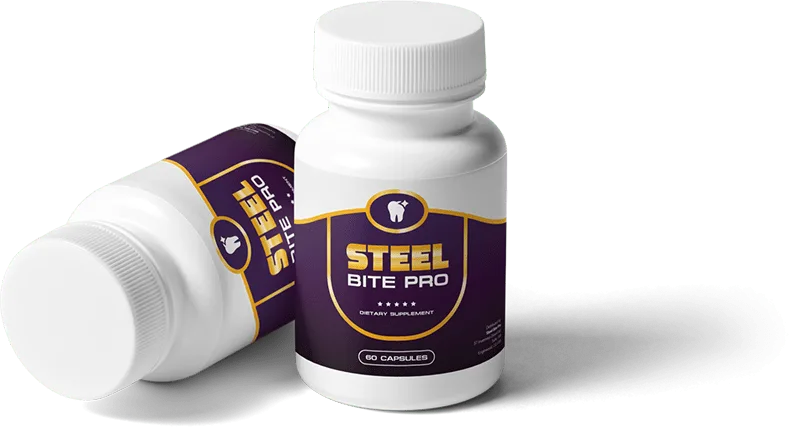
When considering a supplement, look for formulations that include a diverse array of ingredients backed by scientific research for their oral health benefits. Products like Steel Bite Pro are designed with this comprehensive approach in mind, aiming to provide a broad spectrum of support for gum health and overall oral hygiene. While supplements are not a magic bullet, they can be a powerful adjunct to your daily oral care routine, particularly if you are seeking natural ways to bolster your defenses against periodontal disease. For those interested in enhancing their dental health naturally, exploring options like the best supplement for teeth and enamel could provide further insights.
Understanding Steel Bite Pro: A Natural Approach to Oral Wellness
Steel Bite Pro is a dietary supplement formulated with a blend of natural ingredients designed to support oral health, particularly in the fight against periodontal disease and its symptoms. It works by targeting several key aspects of oral hygiene from within.
The philosophy behind Steel Bite Pro is to create an environment in the mouth that is less hospitable to harmful bacteria and more conducive to healing and strengthening gum tissues. It aims to address the root causes of gum issues rather than just masking symptoms.
Here’s a breakdown of how Steel Bite Pro is intended to work:
- Breaking Down Plaque and Tartar: Certain ingredients are included for their ability to help break down existing plaque and prevent new tartar formation, effectively dislodging bacterial colonies that cling to teeth and gums.
- Identifying and Destroying Bacteria: The formula contains powerful antimicrobial agents that target and eliminate a wide spectrum of bacteria, including those responsible for gum inflammation and tooth decay, helping to purify the oral environment.
- Tightening Loose Gums and Healing Wounds: Ingredients known for their astringent and healing properties work to tighten gums around teeth, reducing pockets where bacteria can hide, and promote the healing of any existing gum wounds.
- Strengthening Teeth and Preventing Future Damage: Essential vitamins and minerals in the blend contribute to strengthening tooth enamel and underlying bone structure, making teeth more resilient against decay and supporting the integrity of the jawbone.
- Detoxifying and Purifying the Mouth: Antioxidant-rich ingredients help to cleanse the oral cavity of toxins and reduce oxidative stress, creating a healthier environment for beneficial bacteria to thrive.
- Forming a Protective Shield: The final stage involves creating a protective barrier against future bacterial attacks, effectively safeguarding the teeth and gums from ongoing damage.
By combining ingredients with diverse actions, Steel Bite Pro offers a multi-pronged approach to supporting oral health, making it a valuable addition for individuals looking for a natural supplement to complement their daily brushing and flossing routine. It's important to remember that while supplements can provide significant support, they should always be used in conjunction with regular dental check-ups and a consistent oral hygiene regimen.
Key Natural Ingredients in Steel Bite Pro for Oral Health
Steel Bite Pro leverages a unique blend of 29 carefully selected ingredients, each chosen for its scientifically recognized benefits in supporting oral hygiene and combating the challenges of periodontal disease. These powerful natural extracts, vitamins, and minerals work synergistically to provide comprehensive dental support.
Berberine
Role: A potent antimicrobial and anti-inflammatory agent that targets harmful oral bacteria and reduces gum inflammation, helping to break down plaque and prevent its accumulation.
Artichoke
Role: Rich in antioxidants and compounds that support liver health, indirectly aiding in detoxification that can impact overall systemic health, including oral health.
Red Raspberry
Role: Packed with vitamins and antioxidants, it supports immune function and contains ellagic acid which has antimicrobial properties, contributing to a healthier oral environment.
Chanca Piedra
Role: Known for its ability to help dissolve mineral deposits, it may assist in breaking down tartar and preventing its formation, making it harder for bacteria to adhere.
Turmeric
Role: A powerful anti-inflammatory and antioxidant, curcumin in turmeric helps reduce gum swelling and pain, and has antiseptic properties against oral pathogens.
Milk Thistle
Role: Supports liver detoxification, which can help eliminate toxins that contribute to inflammation throughout the body, including the gums.
Dandelion
Role: Rich in vitamins and minerals, it acts as a natural diuretic and detoxifier, supporting overall systemic health and reducing inflammation.
Alfalfa
Role: A nutrient-dense herb providing vitamins K and C, crucial for blood clotting and tissue repair, supporting healthy gum tissues and reducing bleeding.
Zinc
Role: An essential mineral for immune function and wound healing. It helps fight bacterial infections and supports the integrity of gum tissues, also reducing bad breath.
Jujube Seeds
Role: Traditionally used for their antioxidant and anti-inflammatory properties, they contribute to overall cellular health and can soothe irritated oral tissues.
Chicory Root
Role: A source of inulin, a prebiotic fiber that supports a healthy gut microbiome, which can indirectly influence overall immune health and inflammatory responses.
Celery Seed
Role: Contains antioxidants and anti-inflammatory compounds that may help reduce gum inflammation and promote overall oral tissue health.
Burdock Root
Role: Known for its detoxifying and blood-purifying properties, it helps cleanse the body and reduce inflammation, supporting a healthier internal environment.
Yellow Dock
Role: A traditional herb used for its cleansing and anti-inflammatory effects, it supports overall immune health and can aid in reducing gum irritation.
Grape Seed Extract
Role: A powerful antioxidant that protects cells from damage, supports collagen production, and strengthens blood vessels in the gums, promoting tissue integrity.
Ginger
Role: A renowned anti-inflammatory and antimicrobial agent that helps soothe gum pain and swelling, and can combat oral bacteria.
Feverfew
Role: Primarily known for its pain-relieving and anti-inflammatory properties, it can help alleviate discomfort associated with gum inflammation.
Methionine
Role: An essential amino acid that plays a role in detoxification and tissue repair, supporting cellular health and the body's natural healing processes.
L-Cysteine
Role: An amino acid that acts as a precursor to glutathione, a powerful antioxidant, helping to protect oral tissues from oxidative stress and support detoxification.
Green Tea
Role: Rich in catechins, powerful antioxidants that fight inflammation, inhibit bacterial growth, and help prevent plaque formation, contributing to fresher breath.
Spearmint
Role: Provides natural antimicrobial benefits and a refreshing taste, helping to combat bad breath and inhibit the growth of oral pathogens.
Peppermint
Role: Similar to spearmint, it offers antimicrobial properties and a cooling sensation, effectively freshening breath and contributing to a clean oral environment.
Take Control of Your Oral Health Today with Steel Bite Pro
Don't let periodontal disease compromise your smile or your health. Steel Bite Pro offers a natural, comprehensive solution designed to support your oral ecosystem, strengthen your teeth and gums, and protect against harmful bacteria. Join thousands who have chosen a natural path to better dental health.
- ✓ Supports Gum Health & Reduces Inflammation
- ✓ Targets Harmful Oral Bacteria
- ✓ Strengthens Teeth & Enamel
- ✓ Fights Bad Breath Naturally
- ✓ Made with 29 Powerful Natural Ingredients




What Our Customers Are Saying
"I've struggled with bleeding gums for years, despite regular brushing and flossing. After trying Steel Bite Pro for just a few weeks, I noticed a significant reduction in bleeding and my gums feel much healthier. It's a game-changer!"
"My dentist always commented on my gum inflammation. I wanted a natural solution, and Steel Bite Pro delivered. My breath is fresher, and my gums are no longer red and puffy. Highly recommend for anyone looking to improve their oral health."
"I was skeptical at first, but the results speak for themselves. My teeth feel cleaner, my gums are firmer, and I've even noticed less sensitivity. Steel Bite Pro has become an essential part of my daily routine."
Frequently Asked Questions
What is the primary cause of periodontal disease?
+The primary cause of periodontal disease is poor oral hygiene, leading to the accumulation of plaque and tartar. These deposits harbor bacteria that irritate and infect the gums, eventually leading to inflammation, gum recession, and bone loss if left untreated.
Can periodontal disease be reversed naturally?
+While early-stage gum inflammation (gingivitis) can often be reversed with diligent oral hygiene and lifestyle changes, advanced periodontal disease (periodontitis) typically requires professional dental intervention. Natural methods can support gum health and prevent progression, but may not fully reverse severe damage.
What are the most common symptoms of periodontal disease?
+Common symptoms include red, swollen, or tender gums, bleeding gums during brushing or flossing, persistent bad breath (halitosis), receding gums that make teeth appear longer, pus between teeth and gums, changes in bite, and loose or shifting teeth.
How does diet impact gum health and periodontal disease?
+A diet high in sugar and processed foods can fuel harmful oral bacteria, increasing plaque formation and inflammation. Conversely, a diet rich in vitamins (especially C and D), minerals, and antioxidants supports a strong immune system and healthy gum tissues, helping to prevent and manage periodontal disease.
Is Steel Bite Pro a substitute for professional dental care?
+No, Steel Bite Pro is a dietary supplement designed to support oral health naturally, complementing good oral hygiene practices and regular dental check-ups. It is not a substitute for professional dental care, diagnosis, or treatment of periodontal disease. Always consult your dentist for any dental concerns.
How can I prevent periodontal disease effectively?
+Effective prevention involves brushing twice daily with fluoride toothpaste, flossing daily, using an antiseptic mouthwash, maintaining a balanced diet, avoiding smoking, managing stress, and visiting your dentist for regular check-ups and cleanings. Natural supplements like Steel Bite Pro can offer additional support.
Related Articles