Is Your Smoking Habit Silently Destroying Your Smile and Overall Health?
For decades, the link between smoking and serious health issues has been clear. However, the specific, insidious ways tobacco products systematically dismantle your oral health often remain in the shadows, unaddressed until irreversible damage has occurred. It's not just about stained teeth or bad breath; it's about a relentless assault on the very foundation of your smile: your gums and underlying bone structure.
This comprehensive guide, authored by Dr. Raymond Cooper, a leading Dental Health Researcher, and reviewed by Dr. Margaret Foster, a Board-Certified Periodontist, will illuminate the stark reality of how smoking and tobacco use profoundly affect your gum health, escalating the risk of periodontal disease, tooth loss, and other severe oral conditions. We'll explore the science, symptoms, and solutions to protect your precious smile.

The Insidious Link: How Smoking Unleashes Oral Havoc
Smoking and tobacco use are among the most significant risk factors for developing severe oral diseases. The chemicals in tobacco, whether smoked or smokeless, launch a multi-pronged attack on your mouth, disrupting its delicate ecosystem and undermining its natural defenses.
At the core of this damage is the direct impact of tobacco on the soft tissues of your mouth. When you smoke, thousands of toxins and carcinogens are introduced into your oral cavity. These chemicals irritate the gum tissues, leading to inflammation and cellular damage. Nicotine, a primary component, causes vasoconstriction, meaning it narrows your blood vessels. This crucial effect reduces the blood flow to your gums, depriving them of vital oxygen and nutrients necessary for health and repair. Without adequate blood supply, your gums become starved, making them highly vulnerable to infection and less able to heal from daily wear and tear.
Beyond the direct chemical assault, smoking severely compromises your body's immune system. The protective cells that normally defend against bacterial infections in your mouth become less effective. This weakened immune response means that the bacteria naturally present in your mouth, which might cause mild gingivitis in a non-smoker, can rapidly escalate into severe periodontal disease in a smoker. Your body struggles to mount an effective defense, allowing bacteria to multiply unchecked and cause extensive damage to gum tissue and the underlying bone. This also impacts the effectiveness of dental treatments, as the body's ability to heal is significantly impaired.
Moreover, tobacco use creates an oral environment that favors the growth of harmful bacteria. The altered oxygen levels in the gum pockets due to reduced blood flow encourage anaerobic bacteria, which are particularly destructive. These bacteria produce toxins that further inflame and destroy gum tissue, leading to deeper pockets, gum recession, and ultimately, bone loss. The combination of direct chemical damage, impaired immunity, and a thriving population of aggressive bacteria sets the stage for rapid and severe oral disease progression.
💡 Key Takeaway
Smoking severely compromises oral health by directly damaging gum tissues with toxins, constricting blood vessels to reduce nutrient supply, weakening the immune system, and fostering a hostile environment for harmful bacteria, accelerating the progression of periodontal disease.
The Cascade of Damage: How Tobacco Progresses Oral Disease
The impact of smoking on oral health is not a singular event but a destructive cascade that begins subtly and can lead to irreversible damage. Understanding these stages is crucial for intervention.
Reduced Blood Flow and Nutrient Deprivation
Nicotine causes vasoconstriction, tightening blood vessels throughout the body, including those supplying your gums. This reduction in blood flow starves gum tissues of essential oxygen and nutrients, making them fragile and highly susceptible to damage. It also impairs the removal of metabolic waste products, further compromising tissue health.
Weakened Immune Response
Smoking suppresses the body's immune system, specifically impairing the function of white blood cells (neutrophils) that are crucial for fighting bacterial infections in the mouth. This diminished defense mechanism allows harmful bacteria to proliferate unchecked, making smokers more vulnerable to severe gum infections that their bodies cannot effectively combat.
Masked Symptoms and Delayed Diagnosis
One of the most dangerous effects of smoking is its ability to mask the typical symptoms of gum disease. Due to reduced blood flow, smokers often experience less bleeding from their gums, which is a key warning sign for non-smokers. This absence of visible symptoms can lead to delayed diagnosis, allowing the disease to progress to advanced stages before any intervention.
Increased Bacterial Plaque and Tartar Buildup
Smoking alters the oral microbiome, promoting the growth of more aggressive and destructive bacteria. The toxins in tobacco also make plaque stickier and harder to remove, leading to faster and more extensive accumulation of plaque and tartar (hardened plaque). This creates a breeding ground for infection, exacerbating gum disease.
Slower Healing and Impaired Treatment Outcomes
The reduced blood flow and compromised immune system in smokers significantly impair the body's ability to heal. This impacts the success of dental procedures such as gum surgery, extractions, and dental implant placement. Wounds heal slower, and the risk of complications and infection after treatment is much higher for smokers.
Higher Risk of Oral Cancer
Beyond gum disease, tobacco use is a primary cause of oral cancer. The carcinogens in tobacco directly damage the DNA of cells in the mouth, throat, tongue, and lips, leading to uncontrolled cell growth. Smokers are significantly more likely to develop various forms of oral cancer, which can be life-threatening if not detected and treated early.
Accelerated Bone Loss and Tooth Mobility
Periodontal disease, exacerbated by smoking, leads to the destruction of the bone that supports your teeth. As this bone deteriorates, teeth become loose and eventually fall out or require extraction. This accelerated bone loss not only impacts your ability to chew and speak but also drastically alters facial structure and can make future dental restorations more challenging.
These combined effects make smokers highly susceptible to developing severe forms of periodontal disease, which can lead to early tooth loss and significantly impact overall quality of life. The insidious nature of these effects often means that by the time symptoms become undeniable, the damage is already extensive.
Beyond Periodontal Disease: Other Oral Health Risks of Smoking
While periodontal disease is a major concern, smoking's detrimental effects extend far beyond your gums, impacting nearly every aspect of your oral cavity.
Oral Cancer Risk
Tobacco use, including cigarettes, cigars, pipes, and smokeless tobacco, is the leading cause of oral cancer. The carcinogens in tobacco products directly damage the cells in your mouth, leading to mutations and uncontrolled growth. This risk is significantly elevated for smokers and increases with the duration and intensity of tobacco use. Early detection is vital, but often challenging.
Tooth Loss
As a direct consequence of severe periodontal disease and accelerated bone loss, smokers face a much higher risk of losing their teeth. The destruction of the supporting bone structure eventually leads to mobile teeth that may need to be extracted. This can result in significant functional and aesthetic problems, requiring complex and often expensive restorative procedures.
Chronic Bad Breath (Halitosis)
Smoking is a primary cause of chronic bad breath. The lingering smell of tobacco combined with the increased presence of harmful bacteria in the mouth, which release volatile sulfur compounds, creates a persistent and unpleasant odor. This halitosis is often resistant to conventional mouthwashes and brushing, impacting social interactions and self-confidence.
Impaired Healing
Smokers experience significantly slower wound healing after dental procedures, such as tooth extractions, gum surgery, or dental implant placement. The reduced blood flow and compromised immune function hinder the body's natural repair mechanisms, increasing the risk of dry socket, infection, and failed implants. This makes dental interventions more complicated and less predictable.
Gum Recession
Smoking contributes to gum recession, where the gum tissue pulls away from the teeth, exposing the tooth roots. This not only makes teeth appear longer but also increases sensitivity to hot and cold, and makes teeth more vulnerable to root decay. Receding gums are a common sign of advanced periodontal disease in smokers.
Increased Plaque & Tartar
Tobacco use promotes a stickier form of plaque that adheres more readily to tooth surfaces. This, combined with an altered oral environment, accelerates the formation of hard tartar (calculus). Increased plaque and tartar provide more surfaces for bacteria to colonize, further contributing to gum disease and tooth decay. Regular professional cleanings become even more critical for smokers.
These widespread effects underscore the critical importance of addressing tobacco use for anyone concerned about their oral health. The comprehensive damage inflicted by smoking means that maintaining good oral hygiene alone is often insufficient to counteract its destructive power.
The Path to Recovery: Quitting Smoking and Supporting Oral Health
The good news amidst the grim realities of smoking's impact on oral health is that many of these destructive processes can be halted, and in some cases, partially reversed, by quitting tobacco. Cessation is the single most effective step you can take to protect and restore your oral health.
Immediately after quitting, your body begins to heal. Blood circulation to your gums improves, allowing essential nutrients and oxygen to reach the tissues. Your immune system starts to recover, enhancing its ability to fight off infections. The rate of plaque and tartar accumulation slows, and your risk of developing severe periodontal disease decreases significantly over time. For those who quit, the risk of oral cancer also begins to decline, though it may take many years to reach the levels of a non-smoker.
However, quitting smoking is just the first, albeit most critical, step. A comprehensive approach to oral health recovery involves several key components:
- Excellent Oral Hygiene: Brush twice daily with a fluoride toothpaste, floss meticulously every day, and consider using an antiseptic mouthwash to reduce bacterial load. This consistent routine is paramount for removing plaque and food debris.
- Regular Dental Check-ups: Schedule frequent visits to your dentist and dental hygienist. Professional cleanings are essential to remove stubborn plaque and tartar that brushing and flossing can miss, especially in deep pockets. Your dentist can also monitor for signs of gum disease, oral cancer, and other issues.
- Balanced Diet: A diet rich in fruits, vegetables, and lean proteins provides the essential vitamins and minerals needed for gum tissue repair and overall immune function. Limiting sugary and acidic foods helps protect against tooth decay.
- Hydration: Drinking plenty of water helps wash away food particles and bacteria, stimulates saliva production (which has natural antimicrobial properties), and keeps your mouth moist, reducing the risk of dry mouth often associated with smoking.
- Stress Management: Chronic stress can weaken the immune system, making you more susceptible to oral infections. Incorporate stress-reducing activities like exercise, meditation, or hobbies into your routine.
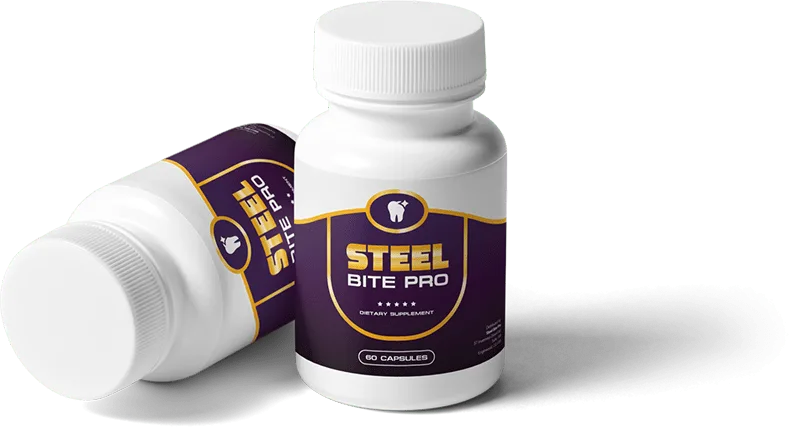
For individuals seeking additional support in their journey to reclaim oral health, especially after years of tobacco use, natural supplements can play a complementary role. These supplements are designed to provide the body with targeted nutrients and compounds that support gum health, fight bacteria, and reduce inflammation. One such option is Steel Bite Pro, which we will explore further. While supplements are not a replacement for professional dental care or quitting smoking, they can be a valuable part of a holistic approach to healing and maintenance.
It's important to remember that healing takes time and consistency. Be patient with yourself and committed to your new, healthier habits. The benefits to your oral health, and indeed your overall health, are immeasurable.
Natural Support for Oral Health: Key Ingredients in Steel Bite Pro
While quitting smoking is paramount, incorporating natural supplements can provide valuable support in restoring and maintaining oral health. Steel Bite Pro harnesses a blend of potent ingredients, each selected for its scientifically-backed benefits.
Berberine
Role: A powerful alkaloid with strong antimicrobial and anti-inflammatory properties. Berberine targets various types of bacteria, fungi, and parasites, making it effective in combating oral pathogens responsible for gum disease. It also helps reduce inflammation in gum tissues, promoting healing and comfort.
Turmeric
Role: Known for its active compound, curcumin, turmeric is a potent anti-inflammatory and antiseptic agent. It helps alleviate gum inflammation, reduces pain, and fights off oral bacteria. Its antioxidant properties also protect gum cells from oxidative stress, supporting overall tissue health.
Milk Thistle
Role: Primarily known for its liver-detoxifying properties, Milk Thistle supports overall systemic health. A healthy liver is crucial for processing toxins, including those from tobacco, and maintaining a strong immune system, which indirectly benefits oral health by enhancing the body's ability to fight infection.
Artichoke, Chanca Piedra, Raspberry
Role: This trio provides a rich source of antioxidants and anti-inflammatory compounds. They work synergistically to cleanse the body, support detoxification, and reduce systemic inflammation, which can positively impact gum health. Raspberries, in particular, are known for their vitamin C content, vital for collagen formation in gums.
Yarrow
Role: Traditionally used for its healing and anti-inflammatory properties. Yarrow can help reduce bleeding gums and soothe irritated tissues. It supports the body's natural healing processes, making it beneficial for gum recovery and reducing discomfort associated with gingivitis.
Beetroot
Role: Rich in nitrates, beetroot can be converted into nitric oxide in the body, which improves blood flow. Enhanced circulation to the gums delivers more oxygen and nutrients, aiding in tissue repair and overall gum vitality. It also provides essential vitamins and minerals.
Dandelion
Role: A powerful detoxifier and anti-inflammatory herb. Dandelion supports liver function and helps reduce inflammation throughout the body. Its antioxidant content aids in protecting cells from damage, contributing to a healthier oral environment.
Alfalfa
Role: Alfalfa is packed with vitamins (K, C) and minerals (calcium, magnesium, phosphorus), which are crucial for bone and tooth health. It helps strengthen the bone structure supporting the teeth and supports overall tissue integrity, important for countering bone loss from periodontal disease.
Zinc
Role: An essential mineral for immune function and wound healing. Zinc plays a crucial role in fighting off oral infections, reducing plaque formation, and promoting the repair of damaged gum tissues. It also helps in maintaining a healthy balance of bacteria in the mouth.
Jujube
Role: A fruit rich in antioxidants and vitamin C, Jujube supports immune health and provides anti-inflammatory benefits. Its ability to boost the immune system helps the body defend against oral pathogens and promotes faster healing of gum tissues.
Chicory Root, Celery Seed, Burdock Root, Yellow Dock
Role: This blend of roots and seeds acts as powerful detoxifiers and anti-inflammatory agents. They support healthy digestion and elimination, reducing the body's toxic load, which in turn can lessen systemic inflammation and contribute to a healthier oral environment.
Grape Seed Extract, Ginger
Role: Both are potent antioxidants and anti-inflammatory compounds. Grape Seed Extract helps inhibit bacterial growth and supports collagen production, crucial for strong gums. Ginger is known for its antimicrobial properties, helping to fight oral bacteria and reduce inflammation.
L-Cysteine, Methionine
Role: These are sulfur-containing amino acids that play vital roles in detoxification and tissue repair. They help the body produce glutathione, a powerful antioxidant, and support the structural integrity of tissues, including those in the gums, aiding in recovery and strength.
By combining these powerful natural ingredients, Steel Bite Pro offers a comprehensive approach to supporting oral health, particularly for those looking to counteract the negative effects of past or present tobacco use. It's an investment in your mouth's future, designed to work alongside good oral hygiene and professional dental care.

Reclaim Your Oral Health: A Natural Path to Stronger Gums and Teeth
Don't let the lingering effects of smoking or other factors compromise your smile. Steel Bite Pro offers a unique blend of natural ingredients designed to support your body's ability to fight oral bacteria, reduce inflammation, and strengthen your gums and teeth from within. It's time to invest in a healthier, brighter future for your mouth.
- Targets harmful bacteria in the mouth
- Supports healthy gum tissue and reduces inflammation
- Strengthens teeth and protects enamel
- Boosts natural immunity for oral defense
- Made with 100% natural, plant-based ingredients



What Our Users Say About Steel Bite Pro
"I smoked for 20 years, and my gums were a mess. After quitting and using Steel Bite Pro, I've seen a remarkable improvement. My dentist is even impressed!"
"My gums used to bleed constantly, a direct result of my smoking. Steel Bite Pro, along with quitting, has made a huge difference. My mouth feels so much healthier."
"I was skeptical, but the combination of quitting tobacco and taking Steel Bite Pro has truly turned my oral health around. Less sensitivity, firmer gums, and fresher breath."
Frequently Asked Questions
How does smoking specifically damage gum health?
+Smoking directly damages gum health by constricting blood vessels, reducing essential blood flow to gum tissues. This starves the gums of oxygen and nutrients, making them more susceptible to infection. Additionally, tobacco compromises the immune system, hindering its ability to fight off bacteria and heal damaged tissues. The toxins in tobacco also promote the growth of harmful bacteria, leading to accelerated plaque and tartar buildup.
What is periodontal disease, and how is it related to smoking?
+Periodontal disease, also known as gum disease, is a serious infection of the gums that damages the soft tissue and, without treatment, can destroy the bone that supports your teeth. Smoking is a major risk factor, accelerating its progression. Smokers are much more likely to develop severe forms of periodontal disease because tobacco weakens the immune response, making it harder for the body to fight off the bacterial infection that causes the disease.
Can quitting smoking reverse the damage to my gums?
+Quitting smoking is the single most important step you can take to improve your gum health. While some damage, like bone loss, may not be fully reversible, quitting significantly slows or stops the progression of periodontal disease. Your gums will receive better blood flow, your immune system will strengthen, and your body will be better equipped to heal and fight off infections. Consistent oral hygiene and professional dental care are still crucial.
Are there specific symptoms of gum disease that are unique to smokers?
+Smokers often experience different or masked symptoms of gum disease. Due to reduced blood flow, smokers may not exhibit typical signs like bleeding gums, which is a common indicator in non-smokers. Instead, smokers might notice receding gums, deep pockets between teeth and gums, persistent bad breath, loose teeth, or a dull ache. This masking effect can delay diagnosis and treatment, leading to more advanced disease.
How can Steel Bite Pro support oral health for someone who has smoked?
+Steel Bite Pro is formulated with natural ingredients known for their antimicrobial, anti-inflammatory, and detoxifying properties. While it's not a cure or a substitute for quitting smoking and professional dental care, it can provide supportive benefits. Its ingredients aim to help reduce harmful bacteria, support healthy gum tissue, reduce inflammation, and provide essential nutrients that contribute to overall oral health, aiding the body's natural healing processes after tobacco exposure.
Besides quitting smoking, what other steps can I take to improve my gum health?
+Beyond quitting smoking, maintaining excellent oral hygiene is vital: brush twice daily with fluoride toothpaste, floss daily, and use an antiseptic mouthwash. Regular dental check-ups and professional cleanings are essential to remove plaque and tartar. A balanced diet rich in vitamins and minerals, staying hydrated, and managing stress also contribute significantly to optimal gum health. Consider supplements like Steel Bite Pro as an adjunctive support.
Related Articles