Is Your Dry Mouth Silently Threatening Your Smile and Overall Dental Health?
Imagine a constant parched feeling in your mouth, difficulty swallowing, or a persistent sore throat. These are just a few of the uncomfortable symptoms of dry mouth, medically known as xerostomia. Far from being a minor inconvenience, this common condition can have serious repercussions for your dental health, often going unnoticed until significant damage has occurred.
Saliva, often taken for granted, plays a vital role in maintaining oral hygiene. It washes away food particles, neutralizes acids produced by bacteria, and provides essential minerals that protect tooth enamel. When its flow is diminished, your mouth becomes a breeding ground for problems, making dry mouth the silent enemy of your oral cavity, particularly predisposing you to conditions like periodontal disease.

The Silent Threat of Dry Mouth (Xerostomia): More Than Just a Thirsty Feeling
Dry mouth, or xerostomia, is a common condition affecting millions worldwide, yet its profound implications for overall health, especially dental health, are often underestimated. It's not merely about feeling thirsty; it's a chronic reduction in salivary flow that leaves your mouth vulnerable to a cascade of problems.
Saliva is a remarkable, multifaceted fluid that performs numerous essential functions within your mouth. It acts as a natural cleanser, continuously washing away food particles and debris that would otherwise cling to your teeth and gums. Beyond this mechanical action, saliva contains vital enzymes that initiate the digestive process and proteins that act as a first line of defense against bacteria, viruses, and fungi. It neutralizes harmful acids produced by oral bacteria, preventing enamel erosion and cavity formation. Furthermore, saliva helps to remineralize tooth enamel, repairing microscopic damage before it becomes a full-blown cavity. When salivary glands fail to produce an adequate amount of this protective fluid, the delicate balance of the oral microbiome is disrupted, paving the way for serious dental issues, including the insidious progression of periodontal disease.
The impact of reduced saliva is far-reaching. Without sufficient lubrication, speaking, chewing, and swallowing can become challenging and painful. The mouth's natural defenses are compromised, leading to an increased risk of infections, persistent bad breath, and a heightened susceptibility to tooth decay. Understanding the root causes of dry mouth is the first step toward effective management and safeguarding your dental health.
Unmasking the Causes of Dry Mouth: A Multifaceted Problem
Dry mouth is rarely a standalone issue; it's often a symptom or side effect of various underlying factors. Identifying these causes is crucial for effective treatment and preventing long-term dental complications.
One of the most prevalent causes of dry mouth is **medication side effects**. Hundreds of prescription and over-the-counter drugs list dry mouth as a potential side effect. These include, but are not limited to, antihistamines for allergies, decongestants, antidepressants and anti-anxiety medications, pain relievers, muscle relaxants, diuretics, and medications for high blood pressure. As individuals often take multiple medications, the cumulative effect can significantly reduce salivary flow.
**Medical conditions** also play a significant role. Autoimmune diseases like Sjögren's syndrome, specifically target and damage salivary glands, leading to severe dry mouth. Diabetes, while not directly attacking salivary glands, can impair nerve function and blood flow, affecting saliva production. Other conditions such as Alzheimer's disease, stroke, nerve damage to the head and neck, and HIV/AIDS can also manifest with xerostomia. Furthermore, **radiation therapy** to the head and neck, a common cancer treatment, can cause irreversible damage to salivary glands, resulting in chronic dry mouth.
**Lifestyle factors** are equally important contributors. **Smoking** and **tobacco use** in any form (chewing tobacco, vaping) are notorious for reducing saliva production and exacerbating dry mouth symptoms. **Alcohol consumption** and excessive **caffeine intake** act as diuretics, leading to dehydration and, consequently, a drier mouth. Chronic **mouth breathing**, often due to nasal congestion or sleep apnea, causes the evaporation of saliva, leading to nocturnal dry mouth and its associated morning discomfort. Inadequate **hydration** throughout the day is a straightforward yet frequently overlooked cause.
Finally, **aging** itself can be a factor. While not a direct cause, older adults are more prone to dry mouth due to a combination of factors, including taking more medications, experiencing more chronic health conditions, and sometimes having reduced physiological capacity for saliva production. Understanding these diverse causes is the first step in formulating a comprehensive management plan to protect your oral health.
💡 Key Takeaway
Dry mouth is a complex issue stemming from numerous causes, including medications, medical conditions, radiation therapy, and lifestyle choices. Identifying the specific triggers is essential for managing symptoms and preventing severe dental health consequences like increased cavities and the progression of periodontal disease.
The Devastating Dental Health Impact of Dry Mouth
When your mouth lacks its natural flow of saliva, it loses its primary defense mechanism. The consequences for your dental health can be severe and far-reaching, transforming a once healthy oral environment into a battlefield for bacteria and decay.
Perhaps the most immediate and widespread impact of dry mouth is an **increased risk of cavities (dental caries)**. Saliva helps to wash away food particles and sugar, neutralizes acids, and contains minerals like calcium and phosphate that help repair early enamel damage. Without sufficient saliva, these protective functions are compromised. Acids linger on tooth surfaces for longer, demineralizing enamel and creating an ideal environment for cavity-causing bacteria to thrive. This can lead to rapid and aggressive tooth decay, often in unusual locations such as the gum line or tooth roots, which are typically protected by saliva.
Closely linked to cavities is the heightened risk of **gum disease**, including both gingivitis and the more severe **periodontal disease**. Saliva helps to control the bacterial population in your mouth and prevents plaque from accumulating excessively. When saliva is scarce, plaque builds up more quickly and adheres more tenaciously to the teeth and below the gum line. This plaque, teeming with bacteria, irritates the gum tissues, leading to inflammation (gingivitis). If left unaddressed, gingivitis can progress to periodontal disease, a chronic inflammatory condition that destroys the supporting bone and tissues around your teeth, ultimately leading to tooth mobility and potential tooth loss. The diminished protective factors in saliva make the gums more susceptible to bacterial invasion and make existing periodontal conditions much harder to manage. Supporting your gum health is critical when dealing with dry mouth, and understanding how to prevent gum recession can be further explored in our article on Receding Gums: Natural Remedies and Prevention.
Beyond cavities and gum disease, dry mouth contributes to **persistent bad breath (halitosis)**. Saliva naturally flushes away odor-causing bacteria and food debris. When this cleansing action is reduced, bacteria multiply unchecked, leading to a foul odor that even regular brushing might not resolve. Furthermore, the lack of saliva can make the mouth feel sore and sensitive, leading to **difficulty eating, speaking, and swallowing**. Dry mouth sufferers often find it painful to eat dry, crunchy, or acidic foods, impacting their nutrition and overall quality of life. The tongue may feel rough and stick to the roof of the mouth, making articulation challenging.
Other complications include an increased susceptibility to **oral infections** like candidiasis (thrush), which manifests as white patches in the mouth, and difficulty wearing **dentures** as the lack of saliva reduces suction and lubrication, causing irritation and sores. The cumulative effect of these issues can significantly diminish oral comfort, function, and aesthetics, making effective management of dry mouth an absolute priority for preserving dental health.
Diagnosing Dry Mouth: When to Seek Professional Help
Recognizing the symptoms of dry mouth is the first step, but understanding when to seek professional diagnosis and intervention is crucial for preventing long-term damage to your oral and overall health.
While occasional dry mouth can be normal, especially after intense exercise or in hot weather, persistent symptoms warrant attention. You should consider seeing a dentist or doctor if you experience any of the following regularly: a **sticky, dry feeling in your mouth**; **frequent thirst**, especially at night; **sores in your mouth** or **split skin at the corners of your mouth**; **cracked lips**; a **rough, dry tongue**; **difficulty speaking, tasting, chewing, or swallowing**; **a sore throat** or **hoarseness**; or **bad breath**. If you notice a sudden increase in cavities or persistent gum irritation, these are also strong indicators that your salivary flow might be inadequate.
During a dental visit, your dentist will examine your mouth for signs of dryness, such as a lack of saliva pooling, a shiny or red tongue, and signs of increased decay or gum inflammation. They may ask about your medical history, current medications, and lifestyle habits. In some cases, a dentist might perform a **sialometry test**, which measures the rate of saliva flow, or recommend tests to identify underlying medical conditions, such as blood tests for autoimmune diseases. It's important to be thorough and honest about your symptoms and medical history to help your healthcare provider pinpoint the cause and recommend the most effective treatment plan. Early diagnosis can significantly reduce the risk of severe dental complications and improve your quality of life.
Effective Remedies and Management Strategies for Dry Mouth
Managing dry mouth requires a multi-pronged approach, addressing both the symptoms and, wherever possible, the underlying causes. A combination of lifestyle adjustments, oral hygiene practices, and medical interventions can significantly alleviate discomfort and protect your dental health.
One of the simplest yet most effective strategies is **consistent hydration**. Sip water frequently throughout the day, especially during meals, and keep a glass of water by your bedside at night. Avoid excessive consumption of dehydrating beverages like caffeine, alcohol, and sugary drinks. Using a **humidifier** in your bedroom, particularly during dry seasons or if you mouth breathe at night, can help keep the air moist and reduce nighttime dryness.
To **stimulate saliva production**, chew sugar-free gum or suck on sugar-free candies. These mechanical actions encourage salivary glands to produce more saliva without contributing to sugar-induced decay. There are also over-the-counter **artificial saliva substitutes** and oral moisturizers available in sprays, gels, or rinses that can provide temporary relief and lubrication. Your dentist or doctor might also prescribe medications that stimulate saliva production, known as sialogogues, if other methods are insufficient.
**Optimizing your oral hygiene routine** is paramount. Use a fluoride toothpaste and consider a prescription-strength fluoride rinse or gel to combat the increased risk of cavities. Choose an alcohol-free mouthwash, as alcohol can further dry out your mouth. Brush and floss regularly, and maintain a consistent schedule of dental check-ups and cleanings to monitor your oral health and address any issues promptly. It's also vital to clean dentures thoroughly and remove them at night if you wear them, giving your gums a chance to breathe and preventing further irritation.
**Dietary adjustments** can also make a difference. Avoid dry, hard-to-chew foods, as well as highly acidic, spicy, or salty foods that can irritate a dry mouth. Opt for softer, moist foods and incorporate sauces and gravies to make eating easier. If medications are the cause, discuss with your doctor whether there are alternative drugs or dosage adjustments that could alleviate the dry mouth side effect. Never stop taking prescribed medication without consulting your healthcare provider first. By integrating these strategies, you can significantly improve your comfort and safeguard your dental health against the detrimental effects of xerostomia.
Natural Ways to Combat Dry Mouth Symptoms & Support Oral Health
Beyond conventional treatments, several natural approaches can effectively alleviate dry mouth symptoms and contribute to a healthier oral environment, especially when dealing with the challenges posed by conditions like periodontal disease.
Consistent Hydration Habits
Regularly sipping water throughout the day is fundamental. Keep a water bottle handy and make it a habit to drink before you feel thirsty. This helps maintain overall body hydration and provides immediate relief from oral dryness. Avoid sugary drinks that can exacerbate dental problems.
Saliva Stimulation through Chewing
Chewing sugar-free gum or sucking on sugar-free hard candies can naturally stimulate salivary glands. The mechanical action encourages increased saliva flow, which helps to cleanse the mouth, neutralize acids, and provide temporary moisture. Choose products containing xylitol for added dental benefits.
Optimizing Oral Hygiene Practices
Maintain an impeccable oral hygiene routine using a fluoride toothpaste and a soft-bristle brush. Opt for an alcohol-free mouthwash to avoid further drying the mouth. Regular flossing is crucial to remove plaque and food particles, especially important when saliva's natural cleansing action is reduced.
Strategic Dietary Adjustments
Modify your diet to include more moist, soft foods. Avoid dry, crumbly, or overly acidic, spicy, or salty foods that can irritate a sensitive, dry mouth. Incorporate healthy fats and choose foods that are easy to chew and swallow, promoting comfort and better nutrition.
Lifestyle Modifications & Environmental Control
Limit or eliminate dehydrating habits like smoking, excessive alcohol, and caffeine. If you mouth breathe at night, consider using a bedroom humidifier to add moisture to the air. Addressing underlying issues like nasal congestion can also reduce mouth breathing and improve comfort.
Herbal & Nutritional Support
Certain herbs like ginger, marshmallow root, and slippery elm are traditionally used to soothe dry mucous membranes. Nutritional support, including specific vitamins and minerals, can also contribute to overall oral health, helping the body's natural defenses against the effects of dry mouth.
Holistic Approaches to Support Salivary Gland Function and Oral Wellness
Prioritize Water Intake
Make a conscious effort to drink water consistently throughout your day. This isn't just about quenching thirst; it's about providing your body with the fundamental element needed for saliva production and maintaining moist oral tissues, crucial for preventing dry mouth's dental impacts.
Encourage Chewing Stimulation
Incorporate foods that require chewing, like apples or carrots, or opt for sugar-free gum. The act of chewing is a powerful natural stimulant for salivary glands, promoting a healthy flow of saliva to cleanse, protect, and remineralize your teeth against decay and gum issues.
Explore Herbal Remedies
Certain herbs like ginger, licorice root, or marshmallow root have demulcent properties that can help soothe dry mucous membranes and stimulate salivary flow. These can be consumed as teas or lozenges, offering a natural adjunct to your dry mouth management strategy.
Manage Stress Effectively
Chronic stress can impact various bodily functions, including saliva production. Practices like meditation, deep breathing exercises, yoga, or spending time in nature can help reduce stress levels, potentially improving overall bodily functions, including salivary gland activity.
Avoid Oral Irritants
Steer clear of tobacco products, excessive alcohol, and mouthwashes containing alcohol, as these substances can severely dry out and irritate oral tissues. Minimizing their use can significantly improve comfort and allow your salivary glands to function more effectively.
The Role of Targeted Nutritional Support in Oral Health and Dry Mouth Management
While dry mouth itself is a complex condition, supporting overall oral health through targeted nutrition can play a crucial role in mitigating its detrimental effects, particularly on gum health and susceptibility to periodontal disease.
Even with diligent hydration and lifestyle changes, the reduced salivary protection in a dry mouth environment means your teeth and gums are under constant assault. This is where the concept of **targeted nutritional support** comes into play. By providing the body with specific vitamins, minerals, and plant extracts known for their beneficial effects on oral tissues, you can help fortify your mouth's natural defenses, support healthy gums, and strengthen tooth structure. This approach doesn't directly create more saliva, but it helps the mouth better withstand the challenges posed by its absence.
Many natural ingredients are recognized for their anti-inflammatory, antimicrobial, and antioxidant properties, all of which are vital for maintaining a healthy oral microbiome and preventing the progression of gum disease. For instance, certain herbs can help reduce the bacterial load that thrives in a dry mouth, while specific vitamins and minerals are essential for tissue repair and immune function within the gums. This preventative and supportive approach is especially important when considering the systemic connections between oral health and overall well-being, as highlighted in our detailed article on Dental Health, Heart Disease, and the Systemic Connection.
Supplements formulated for oral health often include ingredients that promote gum tissue integrity, reduce inflammation, and help maintain a balanced environment in the mouth, all of which are critical when saliva's protective role is diminished. By supporting these fundamental aspects of oral health, such supplements can help create a more resilient oral environment, less prone to the severe consequences of dry mouth, such as aggressive decay and advanced periodontal disease. This proactive step can be a valuable addition to a comprehensive dry mouth management strategy, working in conjunction with your dentist's recommendations.
Key Natural Ingredients Supporting Oral Health
Many natural compounds have been studied for their ability to support gum health, fight bacteria, and contribute to a healthier oral environment, which is especially beneficial when dealing with dry mouth.
Berberine
Role: Known for its potent antimicrobial and anti-inflammatory properties, Berberine can help combat oral bacteria that thrive in dry mouth conditions and reduce gum inflammation, supporting overall gum health.
Turmeric (Curcumin)
Role: A powerful anti-inflammatory and antioxidant, Turmeric helps to soothe irritated gum tissues and protect against oxidative stress, which can be exacerbated by reduced salivary flow.
Milk Thistle
Role: Supports liver health, which is indirectly linked to detoxification processes that can affect overall systemic health, including the body's ability to combat inflammation.
Artichoke
Role: Contains antioxidants and supports digestive health, contributing to overall well-being that can reflect in oral health and the body's ability to maintain balance.
Chanca Piedra
Role: Traditionally used for its kidney and liver support, it also possesses antioxidant properties that can aid the body's natural defense mechanisms.
Dandelion
Role: A rich source of vitamins and minerals, Dandelion supports detoxification and reduces inflammation, beneficial for overall systemic health and gum tissue vitality.
Yarrow
Role: Known for its anti-inflammatory and astringent properties, Yarrow can help to reduce gum bleeding and inflammation, common issues exacerbated by dry mouth.
Jujube
Role: Provides soothing properties and antioxidants, contributing to general oral comfort and helping to protect cells from damage.
Zinc
Role: An essential mineral for immune function and wound healing, Zinc plays a critical role in maintaining healthy gum tissues and fighting oral infections.
Selenium
Role: A powerful antioxidant that supports immune health and protects cells from oxidative damage, which is important for maintaining healthy oral tissues.
Methionine
Role: An essential amino acid involved in various metabolic processes, contributing to tissue repair and overall cellular health.
L-Cysteine
Role: An amino acid that helps produce glutathione, a strong antioxidant, supporting the body's defense against oxidative stress in oral tissues.
Spirulina
Role: A nutrient-dense superfood with anti-inflammatory and antioxidant properties, supporting overall immune function and oral tissue health.
Beetroot
Role: Rich in nitrates, which can be converted to nitric oxide, supporting healthy blood flow and potentially benefiting gum tissue health.
Celery
Role: Contains antioxidants and anti-inflammatory compounds, contributing to overall health and potentially reducing inflammation in the gums.
Alfalfa
Role: A nutrient-rich plant known for its detoxifying and anti-inflammatory properties, supporting general well-being and tissue health.
Burdock
Role: Used traditionally for its blood-purifying properties, it supports detoxification and can help manage inflammation.
Yellow Dock
Role: Supports liver function and is known for its cleansing properties, contributing to systemic health that reflects in oral wellness.
Grape Seed
Role: A powerful antioxidant that protects collagen and elastin, essential components of healthy gum tissue, from damage.
Ginger
Role: Known for its strong anti-inflammatory and antimicrobial effects, Ginger can help soothe irritated gums and fight oral bacteria.
Feverfew
Role: Traditionally used for its anti-inflammatory properties, it can help reduce discomfort and inflammation in oral tissues.
N-Acetyl Cysteine (NAC)
Role: A precursor to glutathione, NAC is a potent antioxidant that helps protect cells from damage and supports immune function in the oral cavity.
Red Raspberry
Role: Rich in antioxidants and vitamins, it supports overall immune health and provides protective compounds for oral tissues.
Choline
Role: An essential nutrient involved in cell membrane structure and function, important for the health and integrity of oral tissues.
Inositol
Role: Plays a role in cell signaling and can support overall cellular health and function within the oral cavity.
💡 Key Takeaway
Incorporating targeted nutritional support through specific natural ingredients can significantly bolster your oral defenses. While not a direct cure for dry mouth, these compounds can help mitigate its damaging effects by fighting bacteria, reducing inflammation, and strengthening gum tissues, thereby offering a crucial layer of protection against periodontal disease and cavities.

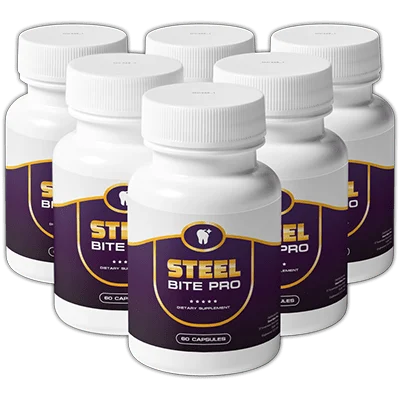
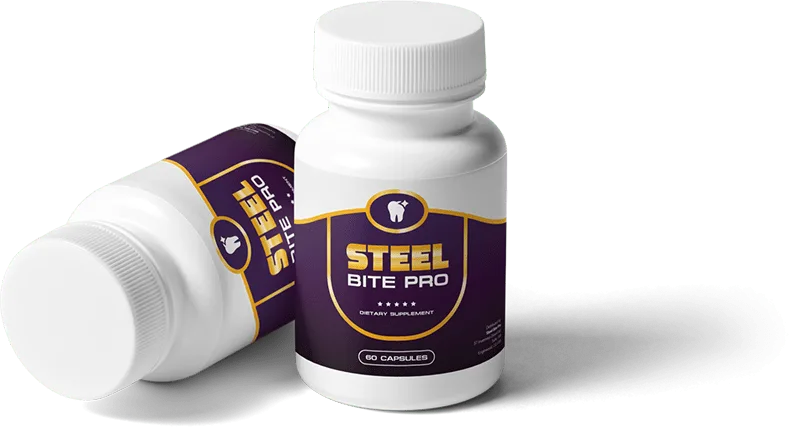
Reclaim Your Oral Health & Combat Dry Mouth's Effects with Steel Bite Pro
Don't let dry mouth compromise your dental health. Steel Bite Pro offers a potent blend of natural ingredients designed to support strong teeth and healthy gums, indirectly helping to mitigate the challenges posed by dry mouth conditions and promoting overall oral well-being. By fostering a healthier oral environment, it helps your mouth better cope with reduced saliva, safeguarding against the increased risk of cavities and periodontal disease.
- Supports healthy gums and teeth
- Aids in reducing plaque buildup
- Promotes fresh breath
- Helps maintain a balanced oral microbiome
- Made with 100% natural ingredients



What Our Customers Are Saying
"My dry mouth made my gums so sensitive and prone to bleeding. Since I started Steel Bite Pro, I've noticed a significant improvement in my gum health. My mouth feels cleaner, and the irritation has lessened. It's truly been a game-changer for my oral comfort."
"I was constantly worried about bad breath due to my chronic dry mouth. Steel Bite Pro, combined with my other remedies, has made a noticeable difference. My breath feels fresher, and my teeth feel stronger. It's given me back a lot of confidence."
"Dealing with dry mouth meant constant dental issues, especially around my gums. Adding Steel Bite Pro to my routine has helped immensely. My dentist even commented on the improvement in my gum health. I feel like my mouth is finally getting the support it needs."
Frequently Asked Questions
What is dry mouth and why is it problematic for dental health?
+Dry mouth, or xerostomia, is a condition where your salivary glands don't produce enough saliva to keep your mouth moist. Saliva is crucial for neutralizing acids, washing away food particles, and fighting bacteria. Without adequate saliva, your teeth and gums become highly vulnerable to decay, infections, and especially advanced gum disease known as periodontal disease.
What are the most common causes of dry mouth?
+The most common causes include certain medications (antihistamines, antidepressants, diuretics), medical conditions (Sjögren's syndrome, diabetes, autoimmune diseases), radiation therapy to the head and neck, lifestyle factors like smoking and excessive alcohol consumption, and chronic dehydration. Aging itself can also be a contributing factor for many individuals.
How does dry mouth contribute to periodontal disease?
+Saliva acts as a natural rinse, neutralizing harmful acids and washing away food debris and bacteria that contribute to plaque formation. When saliva flow is reduced, plaque accumulates more rapidly and adheres more stubbornly to teeth. This creates an ideal environment for bacteria to thrive, leading to inflammation of the gums (gingivitis) and, if left unchecked, progressing to periodontal disease, which can cause bone loss and tooth loss.
What simple home remedies can help alleviate dry mouth symptoms?
+Simple remedies include frequently sipping water throughout the day, chewing sugar-free gum or sucking on sugar-free candies to stimulate saliva production, using an alcohol-free mouthwash, and avoiding dehydrating substances like caffeine and alcohol. A humidifier in your bedroom at night can also provide relief. Maintaining excellent oral hygiene is paramount.
When should I see a dentist or doctor for my dry mouth?
+You should consult a healthcare professional if your dry mouth is persistent, severe, or significantly impacts your quality of life. Seek professional advice if you notice frequent cavities, gum irritation, difficulty eating or speaking, or if you suspect your medications or an underlying medical condition might be the cause. Early diagnosis and management are key to preventing further dental complications.
Can supplements like Steel Bite Pro help with the dental issues caused by dry mouth?
+While Steel Bite Pro does not directly treat dry mouth itself, its blend of natural ingredients is formulated to support overall oral health, strengthen teeth, and promote healthy gums. By helping to combat bacteria, reduce inflammation, and support a balanced oral microbiome, it can indirectly help mitigate some of the negative dental health impacts associated with dry mouth, such as increased risk of gum disease and cavities. It's a supportive measure for a comprehensive oral care routine.
Related Articles